

I am excited to announce an upcoming exhibition that co-curators Tara Miller of The Quilt District and Mark Bustamante have put together. The American Quilt: Cloth and Commerce will include two of my quilts at the Bowers Museum in Santa Ana, CA. The exhibition is open May 23 – August 30, 2026. I look forward to sharing more soon!
The American Quilt: Cloth and Commerce
23 May – 30 August 2026
Bowers Museum
2002 North Main Street
Santa Ana, CA 92706
Open
Tuesday - Sunday
10 am - 4 pm
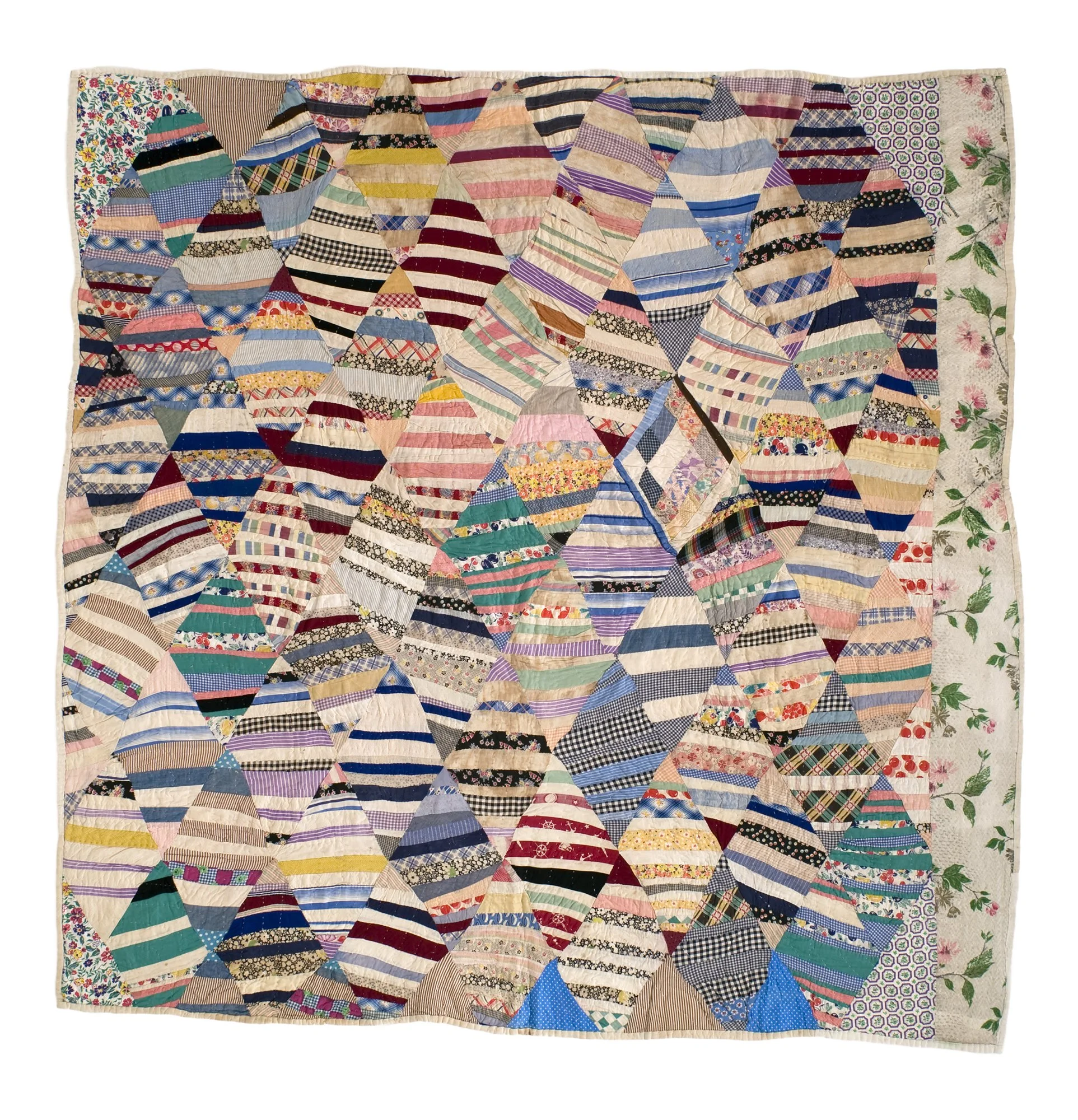
String Diamond
Double-sided quilt
Once named maker
Found in Alabama
1930 - 1960
Cottons and blends
Pieced
Hand quilted
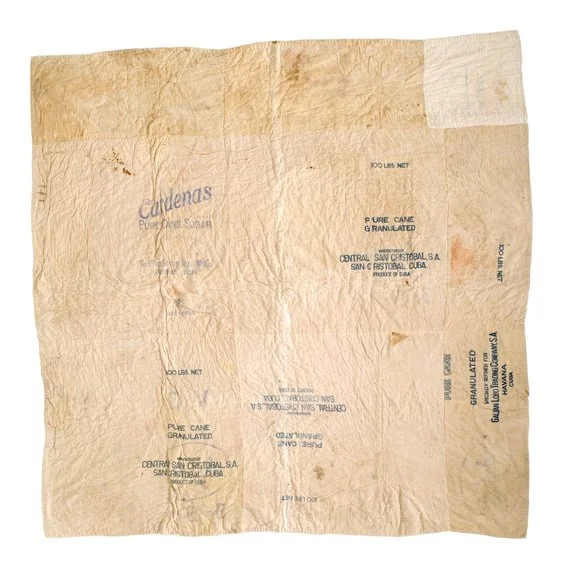
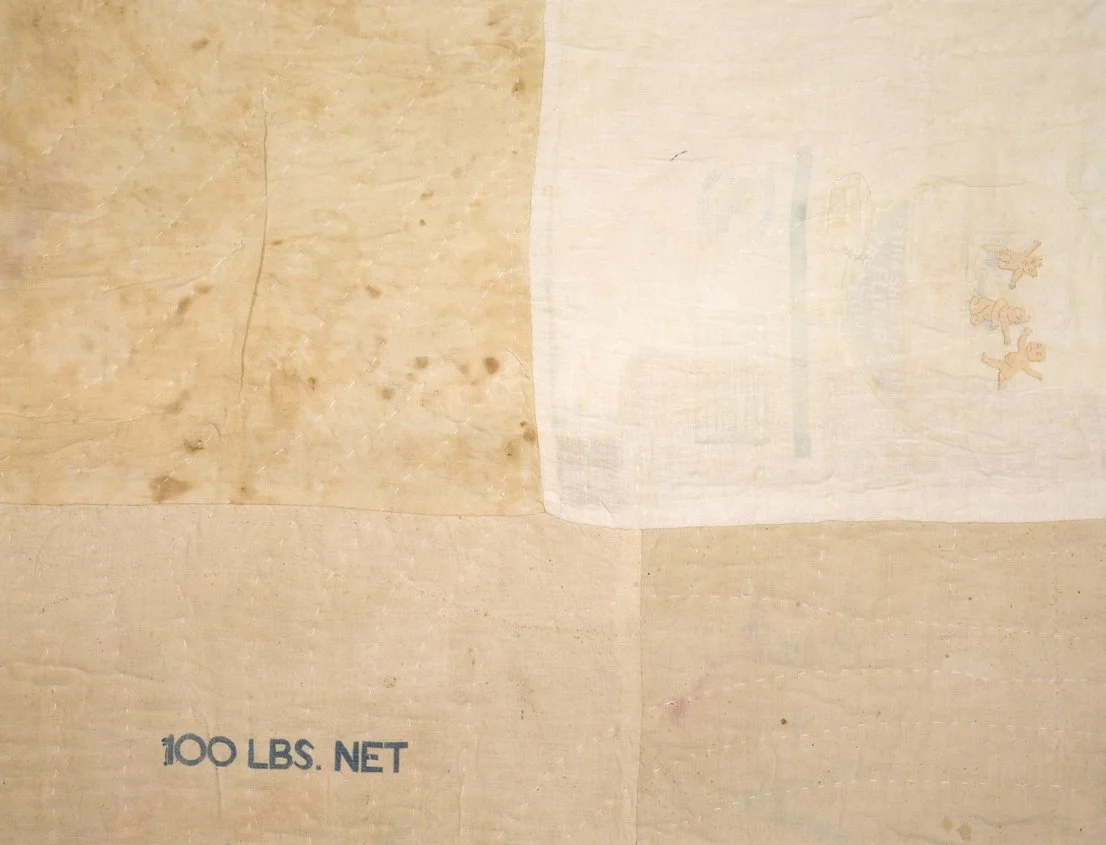
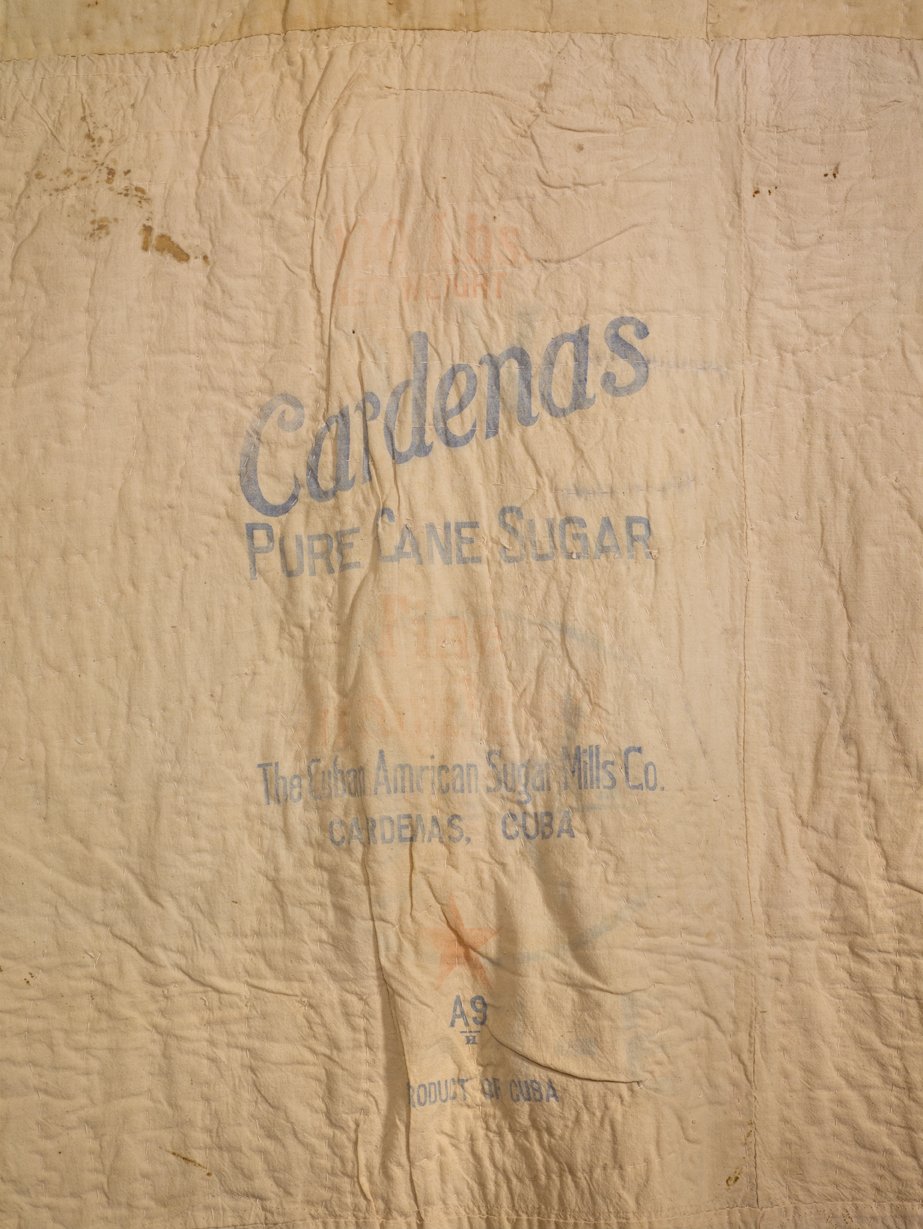
Backing of Cuban sugar sacks and others, white square in one corner print of three babies
79” x 79”
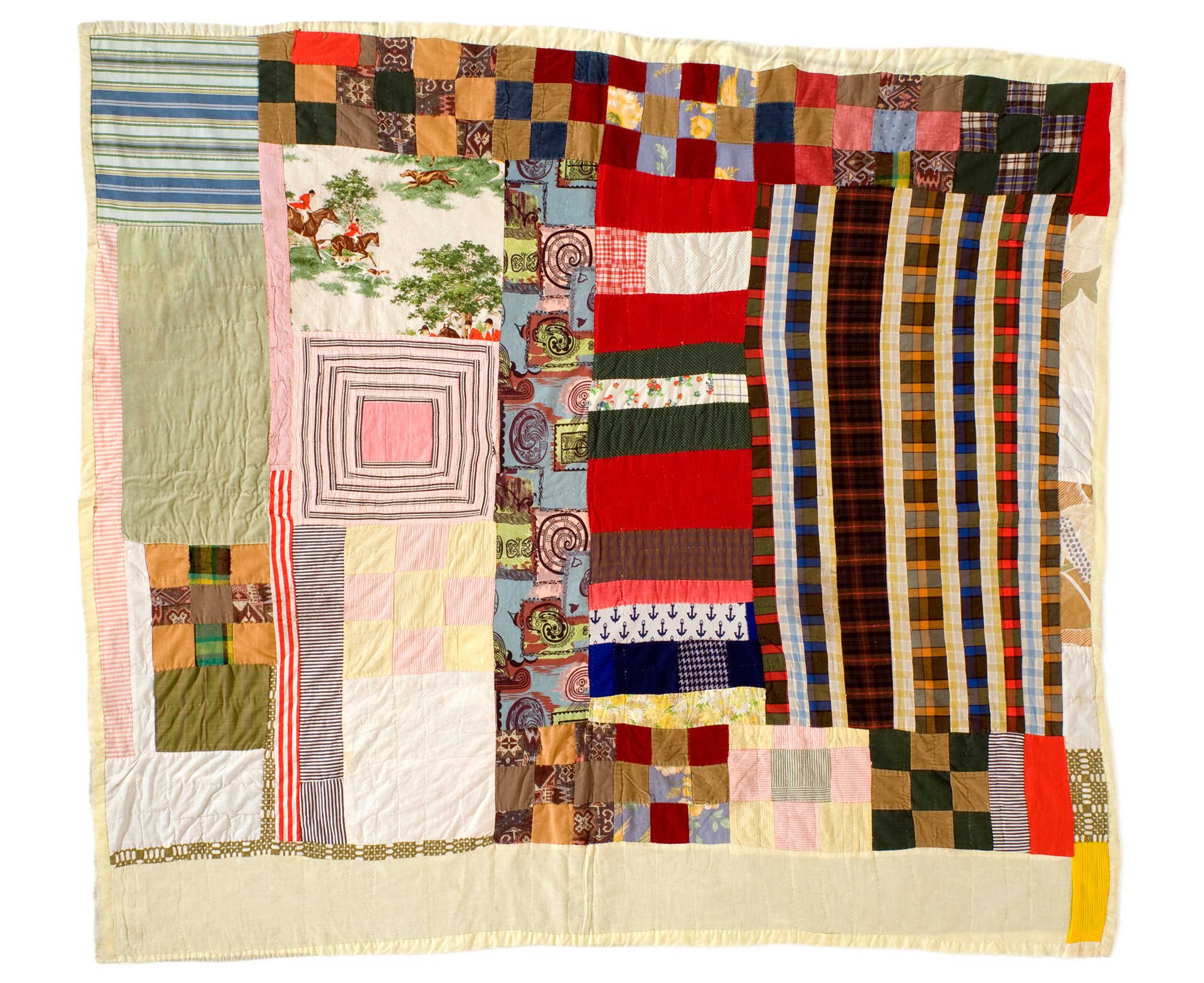
Original Design
Odie (née Wright) Dover, an African American maker
Hale County, Alabama
c. 1950-2000
Cottons and blends, upholstery, corduroy
Hand pieced
Hand quilted
Old sheet used as backing
Old quilt used as batting
70.5” x 80”
About The American Quilt: Cloth and Commerce
“From the Revolutionary Era to the present day, quilts have served as both cherished heirlooms and silent witnesses to the evolution of American industry, politics, and global trade. The American Quilt: Cloth and Commerce explores how the materials, dyes, and techniques used in quiltmaking reflect centuries of economic shifts and technological innovation. Featuring over 40 quilts and coverlets from Bowers Museum’s permanent collection, as well as loans from the family of famed quilter Jean Ray Laury and others, this exhibition traces the journey of fibers like cotton, silk, wool, rayon, and polyester through two and a half centuries of American quilting.
Visitors will encounter quilts that speak to the mass-production of domestically printed cotton fabric in the 19th century, as well as to the ingenuity of makers during times of scarcity, such as Depression-era scrap quilts and wartime cotton regulations. Highlights include a rare 1776 whole-cloth wool quilt, an early Bethlehem Star quilt with chintz appliqué, a quilt made of handkerchiefs commemorating the American centennial in 1876, and a 1975 pictorial quilt celebrating scenes of California life.
Through these textiles, period ephemera, and multimedia interactives, The American Quilt invites reflection on the intimate relationship between cloth and community, and how trade policies shape the availability and aesthetics of everyday materials. Whether hand-stitched by anonymous or known makers, each quilt offers a tactile record of American life, labor, and legacy.”